
Slow Drain Risks: How Clogs and Stagnant Water Affect Your Home
A slow drain is more than an inconvenience. The risks of ignoring a slow drain include a complete blockage, water backing up and damage to floors, walls or cupboards. Hair, soap scum, grease and food particles can restrict water flow, while persistent slow drainage may point to a deeper issue, such as damaged pipes or tree roots in the line.
It’s easy to put off dealing with a drain that still empties eventually. But standing water and damp can encourage unpleasant odours, bacterial growth and mould, while a blockage may worsen over time.
This article covers common causes of slow drains and signs that a minor clog could signal a larger problem. It also explains how stagnant water, bacteria and mould may affect your home, and when a drain needs professional attention.
Table of Contents
Understanding Slow Drains: What Causes Them?
A slow drain often starts with a partial obstruction: water still passes, but more slowly than usual. Hair, grease, soap residue or food particles can catch on pipe walls and trap more debris. As the opening narrows, water may pool in a sink or shower and eventually stop draining. What began as a minor plumbing problem can then lead to damage from an overflow.
Some blockages are harder to shift. Wipes and other items that don’t break down can lodge in pipes, while grease and compacted debris can form stubborn clogs. A tree root may enter an underground pipe and obstruct the flow. If the blockage is in a main drain or sewer line, wastewater may back up through several fixtures rather than affecting only one sink.
One slow sink usually points to a local blockage. Several affected fixtures, gurgling pipes or water backing up may indicate a main drain or sewer-line problem. These signs don’t confirm the obstruction’s location, but they suggest it may extend beyond one plughole.
In Ireland, responsibility depends on whether the blockage is in a private drain serving the home or a public sewer. Symptoms alone can’t establish its location or determine whether the homeowner or Uisce Éireann is responsible. The blockage must first be located.
For a minor blockage, place a plunger over the drain and form a firm seal, then plunge steadily. Stop if water backs up elsewhere or the drain remains blocked, as repeated attempts may worsen an overflow. Avoid mixing drain products, and don’t use a plunger after pouring chemical cleaner into the drain.
Watch for repeat clogs, gurgling sounds, standing water and water backing up into a sink, bath or toilet. A single slow fixture may have a nearby clog; problems across several fixtures raise concern about a shared pipe. Professional drain cleaning can clear a blockage, while a CCTV inspection can help identify a deeper obstruction or pipe damage.
Clogs from hair, soap scum, grease and food particles
Kitchen and bathroom drains collect different debris. Hair can catch around the plug or pipe bends, trapping soap scum and other particles. In a kitchen, cooking grease coats the inside of pipes. As it cools, it can stick to the surface and hold food scraps, narrowing the passage. Coffee grounds can add to this buildup instead of washing away cleanly.
These materials often combine. Grease can bind food particles together, while hair and soap residue can form a dense obstruction near a bathroom plughole. Water may drain slowly at first, then collect in the basin or shower. Notice whether the same fixture repeatedly clogs after cleaning: recurring problems may point to debris further inside the pipe, not just material around the plug.
Fit a drain strainer in sinks, showers and baths to catch hair and food scraps before they enter the pipes.
Put coffee grounds and food waste in the bin, not the sink.
Collect fats, oils and grease in a securely lidded container, then place it in household rubbish once cool.
Use hot tap water after ordinary washing to help move loose residue through the drain.
Empty strainers regularly, as hair and scraps left on the mesh can still restrict drainage. Wipe greasy pans with kitchen paper before washing them, and avoid pouring leftover cooking oil into a sink. These habits reduce the material that can form a severe blockage, though they won’t clear an obstruction already lodged inside the pipe.
The dangers of ignoring repeated slow drainage include a blockage that disrupts normal use and may lead to an overflow. If a drain remains slow after accessible debris is removed, or clogs keep returning, professional drain cleaning can address buildup further along the line and help limit avoidable repairs. For persistent grease-related problems, professional drain cleaning can help clear the obstruction before it becomes an emergency.
Health risks from stagnant water, bacteria and mould
Water trapped behind a blockage can become stagnant, allowing bacteria to multiply and drain odours to develop. If backed-up water reaches a bathroom floor or kitchen cupboard, damp materials can support mould and mildew. People with allergies or respiratory conditions may be more affected by mould and musty air.
Yes. A slow drain can lead to leaks, overflows and water damage if water backs up around a sink, bath or shower. Persistent damp around flooring, walls or cabinets can encourage mould growth, so treat recurring standing water as a warning, not just a cleaning nuisance.
A worsening blockage may further restrict drainage until water can’t escape normally. A sink that takes longer to empty may also mean leaving the tap running for longer, which wastes water. If water starts backing up into another fixture, stop using the affected drains and address the obstruction promptly.
For a minor clog, baking soda followed by vinegar may help loosen some residue, but this home remedy has limited effect on tough or deep blockages. A baking soda and vinegar mixture left in a slow bathroom sink for 15 to 30 minutes, then flushed, is one suggested approach. Don’t assume it has cleared a blockage if water still drains slowly.
Boiling water is sometimes suggested for grease or soap buildup in a kitchen sink, but take care when handling hot water and avoid splashes. Hot tap water may help move loose residue, but it won’t fix a deep obstruction or damaged pipe. Repeated cleaning attempts can delay the right diagnosis.
Chemical drain cleaners may corrode pipes over time, especially with repeated use. Don’t combine cleaning products, as their ingredients can react. If a cleaner has already been poured into standing water, avoid adding another product or plunging, which could cause splashes. Persistent odours, backed-up water or damp patches need attention before the blockage causes further damage or becomes more costly to resolve.
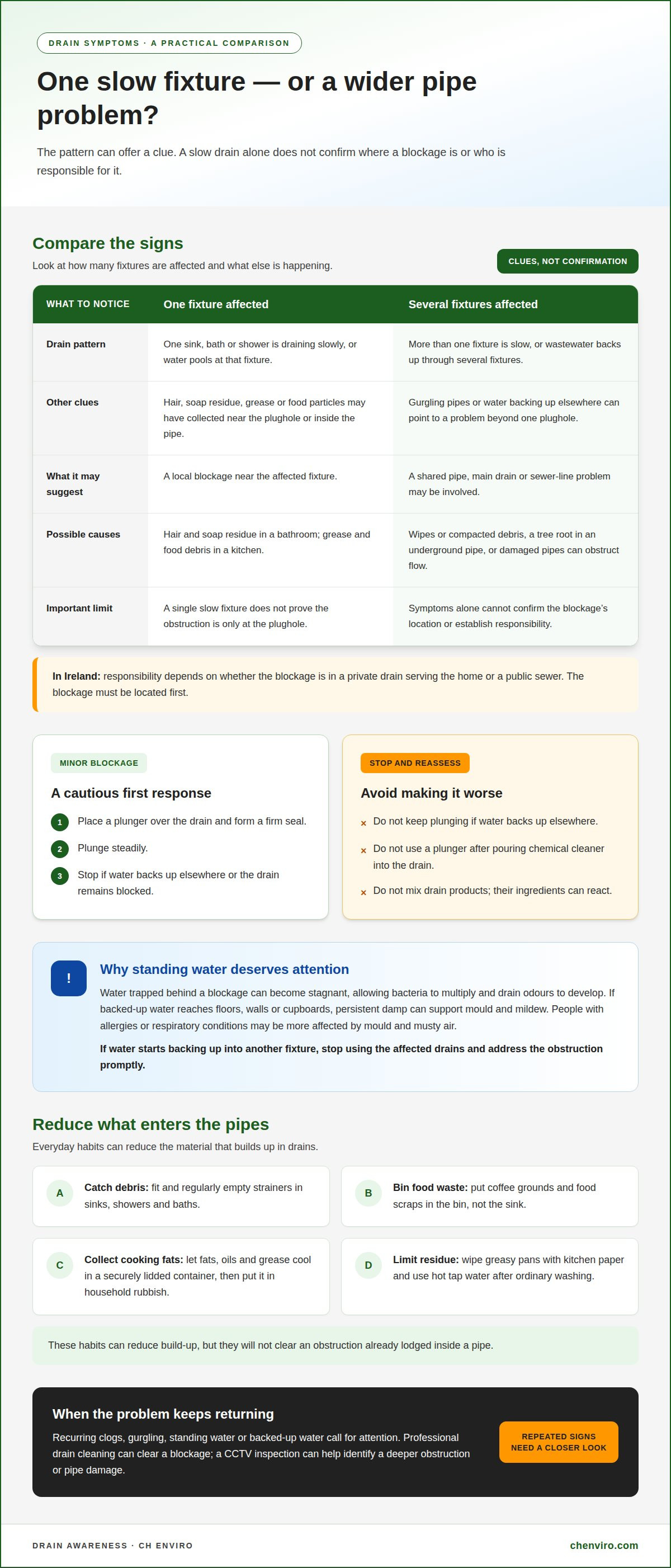
Common causes of slow drains
Not every slow drain is caused by material collected near a plug. Older pipes can corrode or wear, leaving rough internal surfaces where debris catches and restricts flow. A gradual change in drainage in an older part of a home may point to pipe deterioration, particularly if the problem keeps returning after a local clog is cleared.
Foreign objects can cause a sudden obstruction. Hygiene products, paper towels and children’s toys can become lodged in a toilet or pipe, catching other waste. Keep wipes and other items out of the toilet; flush only pee, poo and toilet paper. An unpleasant smell or a toilet that drains poorly after an item has gone missing calls for action.
Damage or movement in underground pipework can also disrupt drainage. A broken or misaligned section may interrupt flow and allow waste to collect at the joint. If the same drain slows repeatedly, the cause may be a structural fault rather than debris that can be cleared from the plughole.
Poorly designed or installed plumbing can create low-flow areas where water moves slowly. Bends, awkward joins or an unsuitable route can let debris settle instead of travelling through the system. The result may look like an ordinary clog, but recurring blockages can persist until the layout or pipe condition is assessed.
Look at the pattern: one affected fixture may indicate a local issue, while recurring problems or several slow drains may involve shared pipework. A professional plumber can assess likely causes, from a lodged object to worn, broken or misaligned pipes. Leaving a structural problem unchecked can allow damage to progress and make later repairs more costly.
Take action if a toilet repeatedly drains slowly, an object may have entered the pipe, or the same blockage returns after clearing. A drain unblocking service can address obstructions, while recurring drainage trouble may need further investigation to identify pipe damage.
CH Enviro
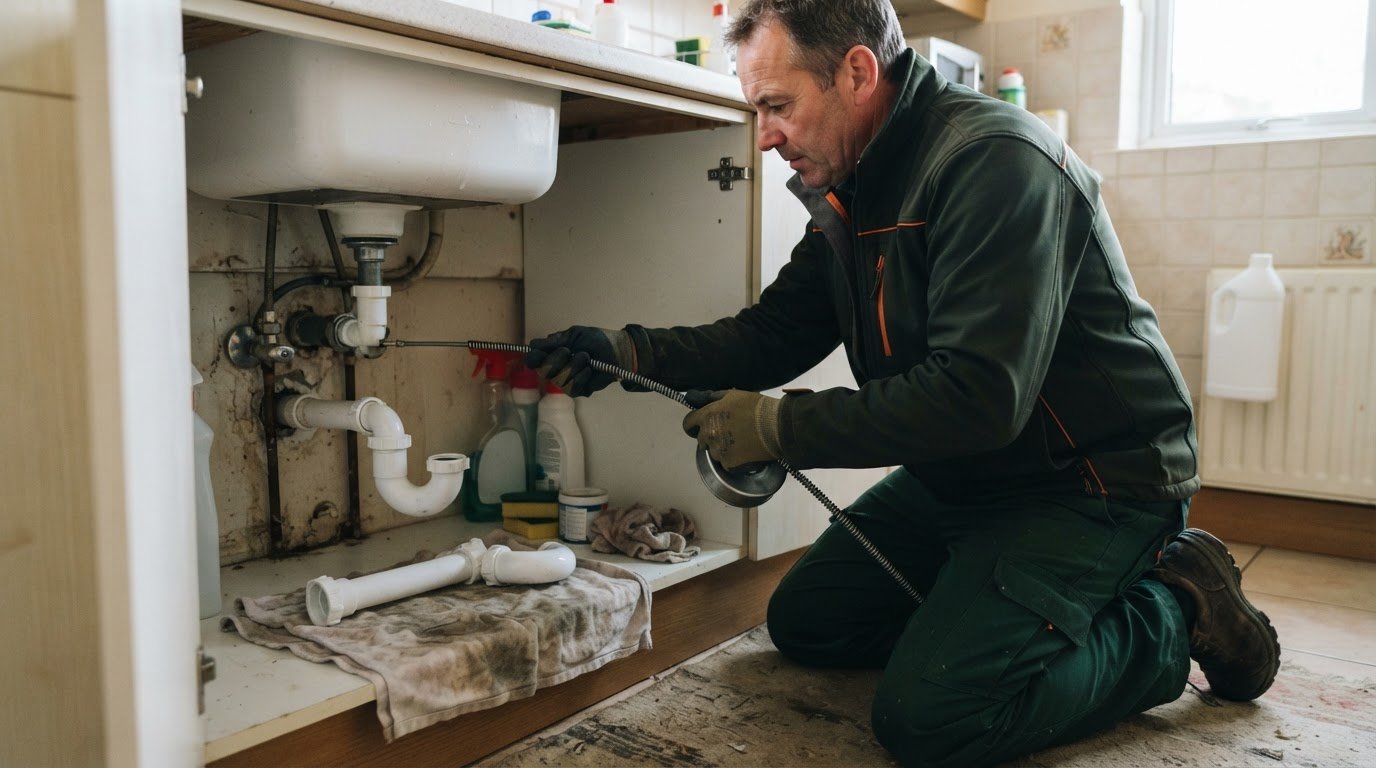
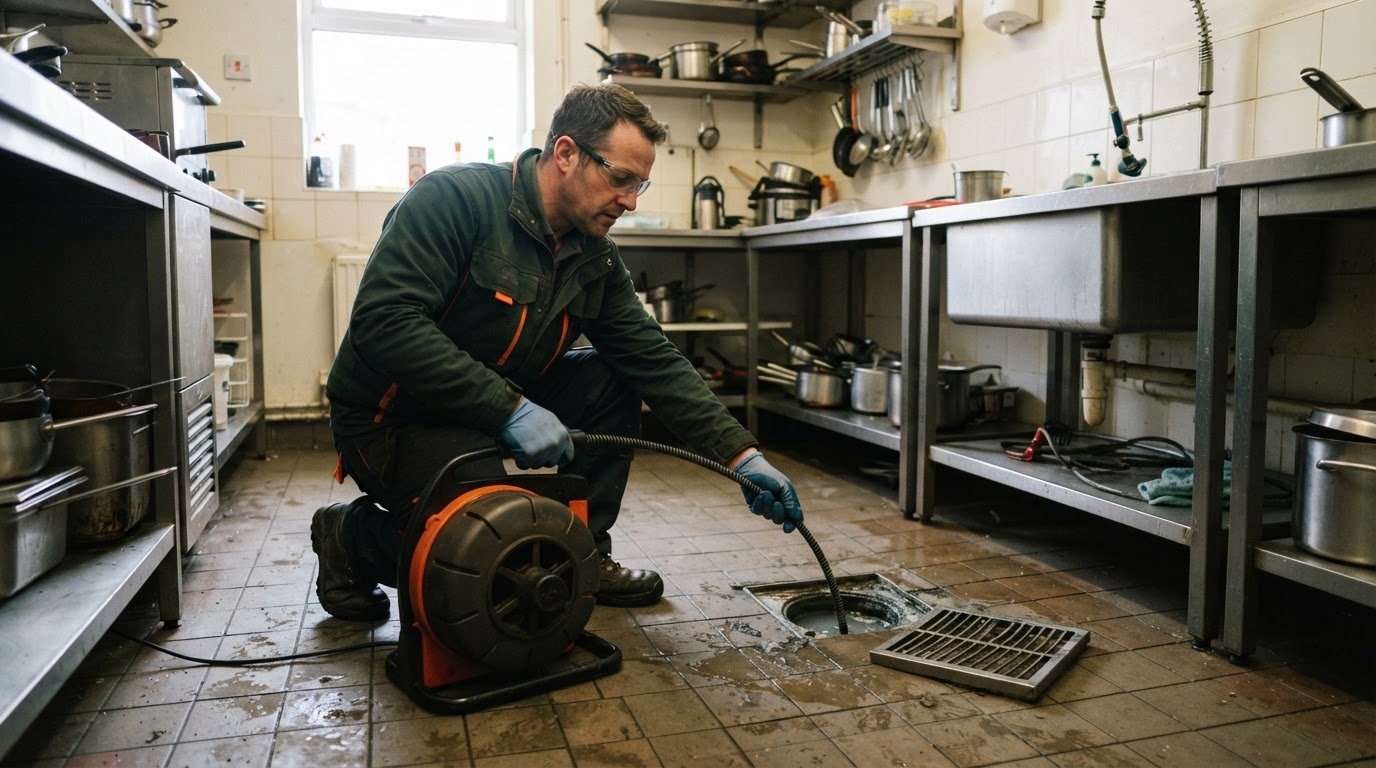
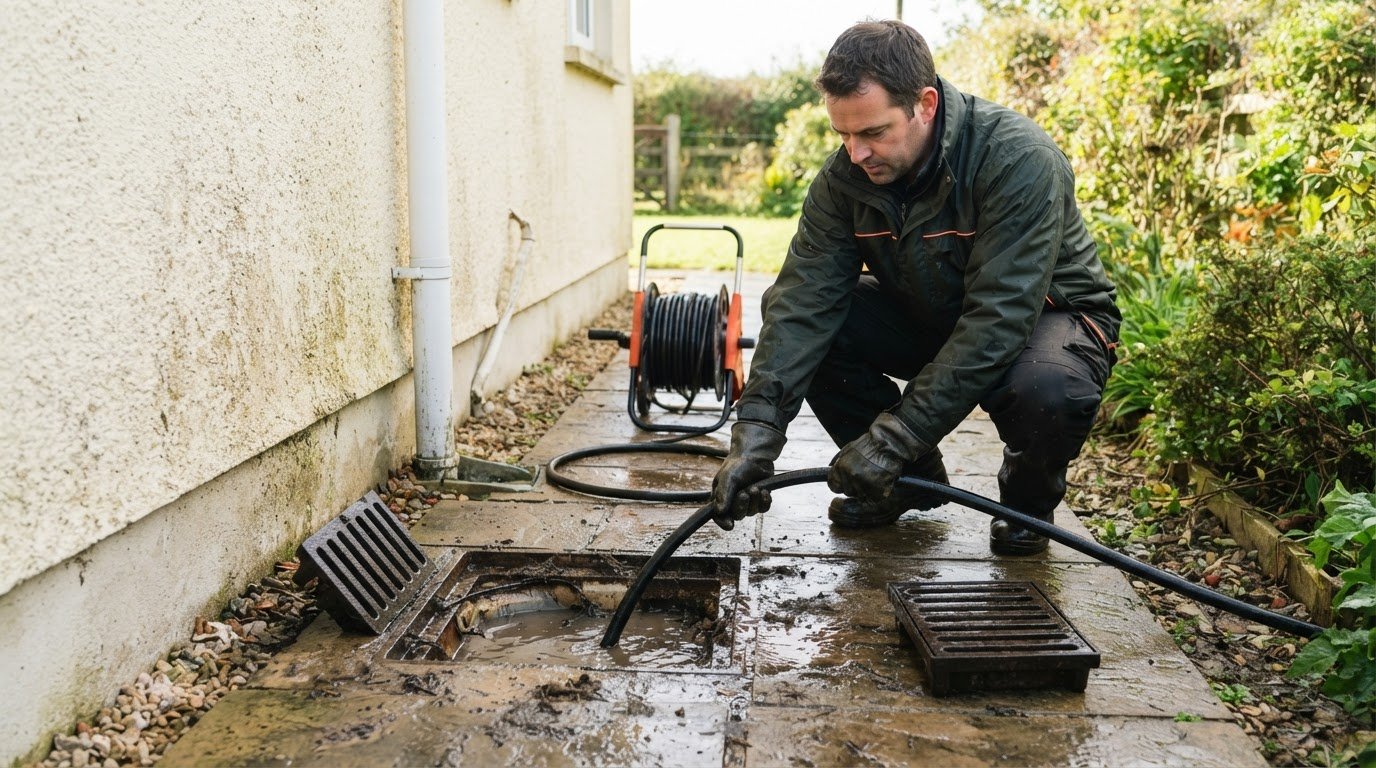
CH Enviro helps identify and resolve drainage problems before recurring slow drains cause further disruption. Its Drain Unblocking Service addresses clogs, while a CCTV Drain Survey can help locate deeper obstructions or faults in pipework. For a damaged drain, No-Dig Drain Repair offers another way to address the problem. Septic Tank Cleaning is available for issues involving a septic system.
If water keeps draining slowly, several fixtures are affected, or blockages return after clearing, an assessment can help determine the right next step. Persistent trouble in a septic system may call for specialist cleaning rather than ordinary drain unblocking.
For help with a drainage concern, contact CH Enviro.
Take the next step towards a clear diagnosis
Describe the pattern, not just the slowest drain. Note which fixtures are affected, whether the problem returns and when you first noticed it. These details can help focus an assessment on the likely source and whether the issue involves a local drain or wider pipework. Acting on this information can help address the risks of ignoring a slow drain before disruption grows.
CH Enviro offers a Drain Unblocking Service for obstructions, CCTV Drain Surveys to inspect pipework and No-Dig Drain Repair for damaged drains. The right option depends on the findings, so start by describing the symptoms you’ve noticed.
Contact CH Enviro about your slow drain to discuss the next step. A clear account of the problem is a practical place to begin.
Frequently Asked Questions
What Are the Surprising Dangers of Ignoring a Blocked Drain at Home?
A blocked drain can affect more than the fixture that first slows down. If wastewater escapes through a blockage, it may contaminate nearby surfaces, soil or water. A leak hidden beneath a sink can also go unnoticed until damp appears in a cupboard or on a wall. Keep people away from backed-up wastewater, and avoid using affected fixtures until the cause is addressed.
What are the risks of ignoring a slow-draining sink or tub?
A sink or tub that drains slowly can eventually become unusable as debris continues to collect. Water may back up or overflow, damaging nearby flooring, cabinets or wall finishes. You may also leave the tap running longer while waiting for the basin to empty, wasting water. If the same fixture keeps slowing after accessible debris is removed, the obstruction may be further inside the pipe.
When to Call in Professional Local Plumbing Services?
Contact a professional plumber if several fixtures drain slowly, water backs up or the same blockage repeatedly returns. Gurgling from a toilet while another fixture drains can also indicate a shared drainage issue. These signs need assessment because the cause may be beyond an accessible plughole. In Ireland, a professional can help locate the problem and determine whether the affected section needs clearing or further investigation.
Why DIY Might Not Be Enough?
DIY methods may shift debris near a plug, but they can’t reliably reach a deep obstruction or identify a damaged pipe. Baking soda and vinegar have limited effect on stubborn clogs, while repeated use of chemical cleaners may corrode pipes. If plunging doesn’t restore normal flow, or several drains are affected, stop experimenting. Further assessment can distinguish a blockage from a structural fault.
What causes a slow drain in a home?
Common causes include hair and soap residue in bathroom pipes, grease and food debris in kitchen drains, and objects lodged in toilets. Older pipes can corrode or wear, creating surfaces where material collects. Tree roots, broken or misaligned underground pipes, and plumbing layouts with slow-flow areas can also restrict drainage. The affected fixture and whether the problem recurs can help indicate where the cause lies.
What are the risks of ignoring a slow drain?
The risks of ignoring a slow drain include a worsening blockage, water backing up and damage to floors, walls or cabinets. Persistent damp may encourage mould, while stagnant water can cause unpleasant odours. A drain that remains slow may also point to a deeper pipe problem. Take recurring symptoms seriously, especially if more than one fixture is affected or water starts backing up.
Comments