
Extending the life of your drainage system with practical drain checks
Drain damage that shortens a system’s life often starts out of sight. Extending the life of your drainage system means spotting signs of poor flow early, keeping common causes of blockages out of drains and investigating recurring problems before they worsen.
Slow drainage, standing water and unpleasant smells are easy to dismiss, but they can point to an underlying issue. This article explains what to watch for around your property, how everyday habits can help prevent blockages, and when a CCTV drain survey can reveal damage or obstructions inside pipes. You’ll also learn why keeping an eye on drainage over time is more useful than waiting for a complete blockage. Small checks can help you understand what’s happening and decide what needs attention.
Table of Contents
Identifying waterlogging and poor-performing areas
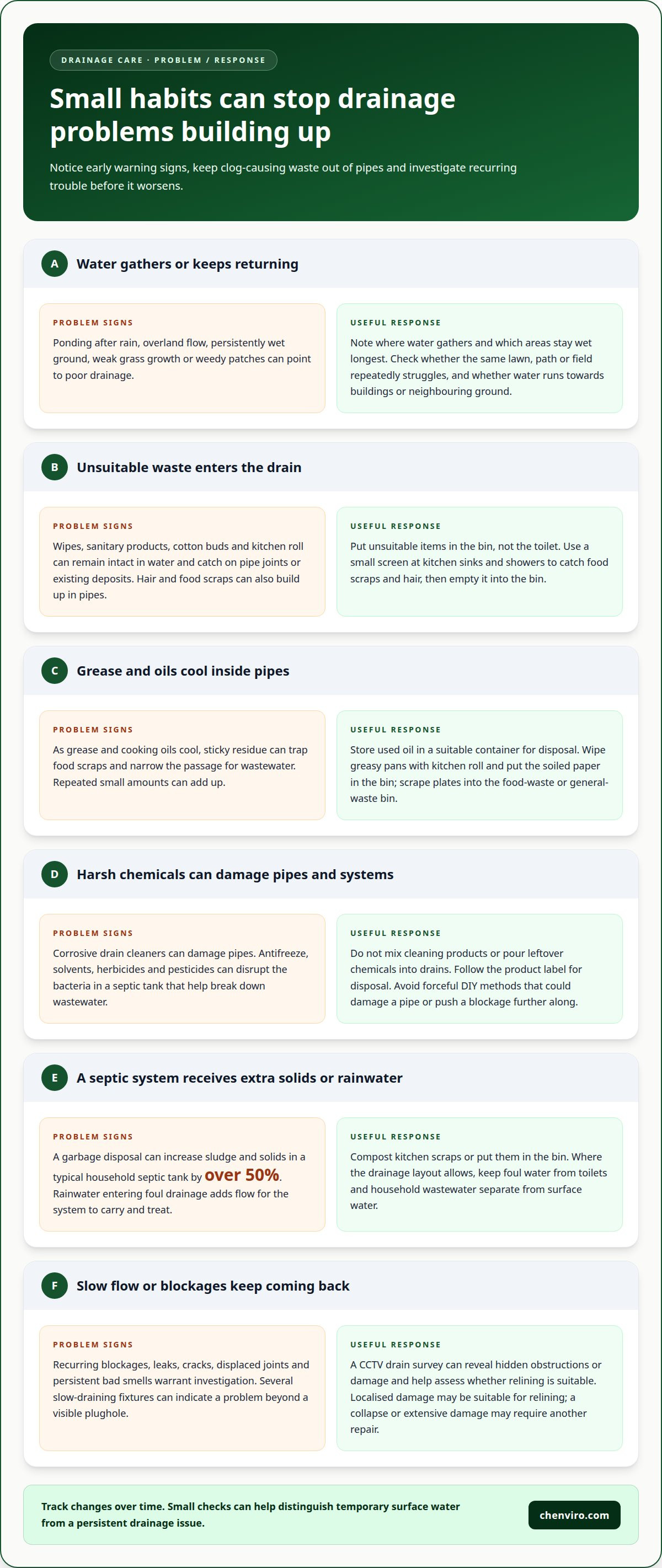
Start by noting where water gathers after rain and which areas stay wet longest. Teagasc advises observing conditions over time, including ponding, overland flow, poor underfoot conditions, weak grass growth and weedy patches. These patterns can help distinguish a persistent drainage issue from temporary surface water after heavy rainfall. Record whether the same patch of lawn, path or field repeatedly struggles, and whether water runs towards buildings or neighbouring ground.
For wastewater systems, household occupancy matters because people generate waste, not appliances. More residents can place a greater load on a septic tank or treatment system. Where the drainage layout allows, keep foul water from toilets and household wastewater separate from surface water. Rainwater entering foul drainage adds flow for the system to carry and treat, which can contribute to poor performance.
New paving, patios and other impermeable surfaces can increase runoff. After installation, watch where rainwater travels. If it flows towards a building, pools beside a drain or overwhelms an existing route, flood risk may increase for the property and wider catchment. A soakaway may help dispose of surface water if the ground conditions and available space are suitable. Its performance depends on water being able to disperse into the surrounding soil.
Drain relining can be a cost-effective alternative to pipe replacement when damage is localised and the pipe is suitable for lining. A CCTV inspection helps determine whether relining is appropriate or whether a collapse or extensive damage requires another repair. Recurring blockages, leaks, cracks, displaced joints and persistent bad smells all warrant investigation, and may mean the drain needs repair or replacement.
In Ireland, responsibility for a drain depends on whether it serves one property, is shared or forms part of public infrastructure. Establishing the drain’s route and ownership helps clarify who is responsible for maintenance. Requirements for repairs and alterations depend on the work involved: changing a discharge route or septic tank arrangement can raise different planning or environmental considerations from clearing a blockage.
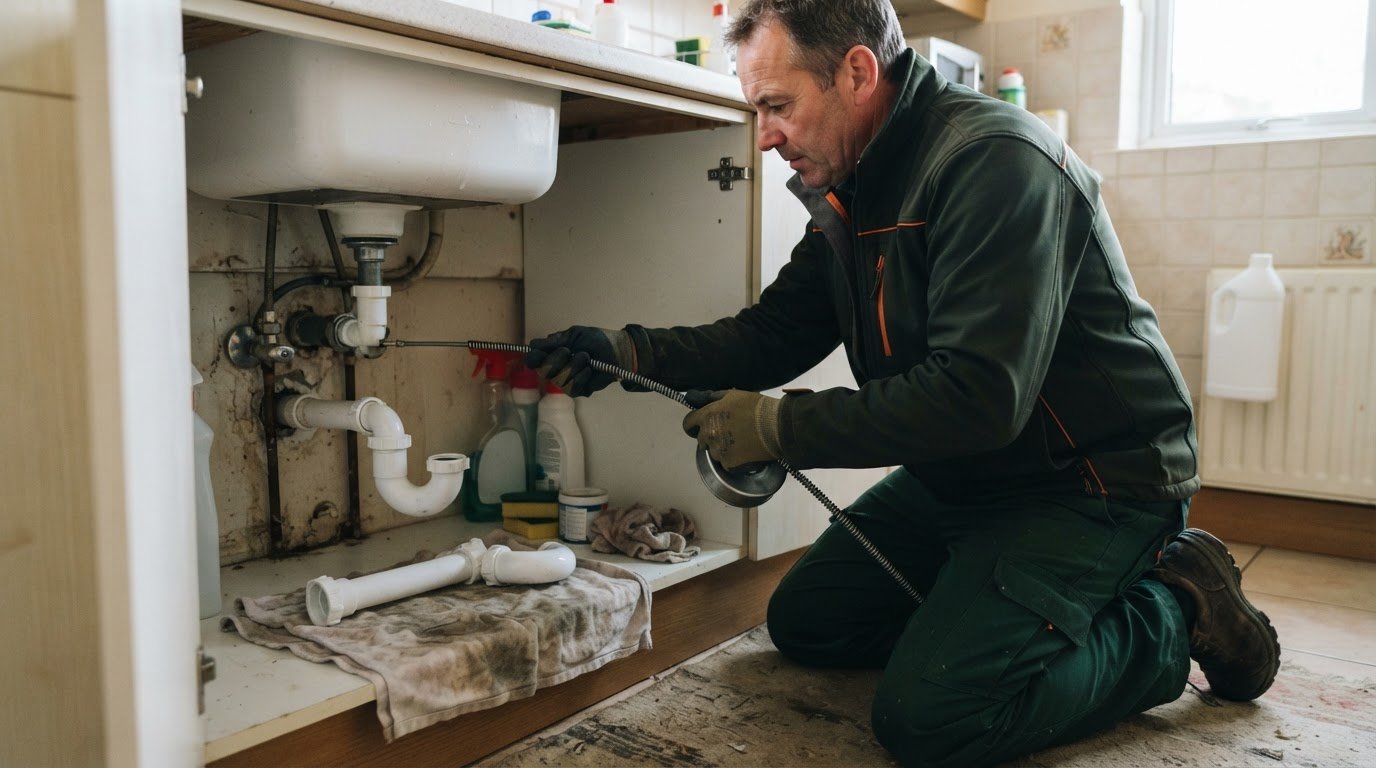
Avoid harsh chemical drain cleaners, including corrosive products, which can damage pipes and harm wastewater systems. Don’t mix cleaning products or use forceful DIY methods that could damage a pipe or push a blockage further along. Mechanical clearance is more suitable for a simple obstruction, while persistent poor flow needs proper investigation.
Avoiding blockages by being careful about what goes down drains
What enters a drain can build up long before water stops flowing. In homes with a septic system, flush only urine, faeces and toilet paper. Wipes, even those labelled flushable, can catch on pipe joints and combine with other waste. A small screen in a kitchen sink or shower can catch food scraps and hair before they enter the pipe. Empty it into the bin rather than washing its contents away.
Harsh chemicals can create another problem. Antifreeze, solvents, herbicides and pesticides can disrupt the natural bacteria inside a septic tank that help break down wastewater. Chemical drain cleaners can also corrode pipes and contribute to damage. Don’t mix cleaning products or pour leftover chemicals into sinks, toilets or outdoor drains. Use a screen to catch debris, and dispose of chemical products according to their label rather than using a drain as a disposal route.
In field drainage, Teagasc identifies fine soil particles, iron ochre, plants and roots, and collapse or sedimentation in open drains as possible causes of obstruction. As flow slows, sediment can settle in pipes and channels; even a minor blockage can undermine drainage over time. Teagasc advises cleaning open drains, culverts and outfalls, and jetting, flushing or rodding field-drain pipes and outlets to maintain flow. Mark and protect outlets during cleaning, and keep livestock out of open drains.
Septic tank owners should also consider what the kitchen waste disposal sends into the system. Using a garbage disposal can increase sludge and solids in a typical household septic tank by over 50 per cent. Compost kitchen scraps or put them in the bin instead. If water drains slowly despite these habits, or a blockage keeps returning, avoid repeated chemical treatments. A professional drain unblocking service can address an obstruction without relying on harsh cleaners.
Grease, oils, pet hair, sanitary products and kitchen roll
Grease and cooking oils may seem harmless while warm, but they cool as they travel through pipes. Sticky residue can trap food scraps and narrow the passage for wastewater. Over time, this build-up can contribute to blockages and affect the wider sewage system. Store used oil in a suitable container for disposal instead of rinsing it into the kitchen sink. Wipe greasy pans with kitchen roll before washing, then put the soiled paper in the bin.
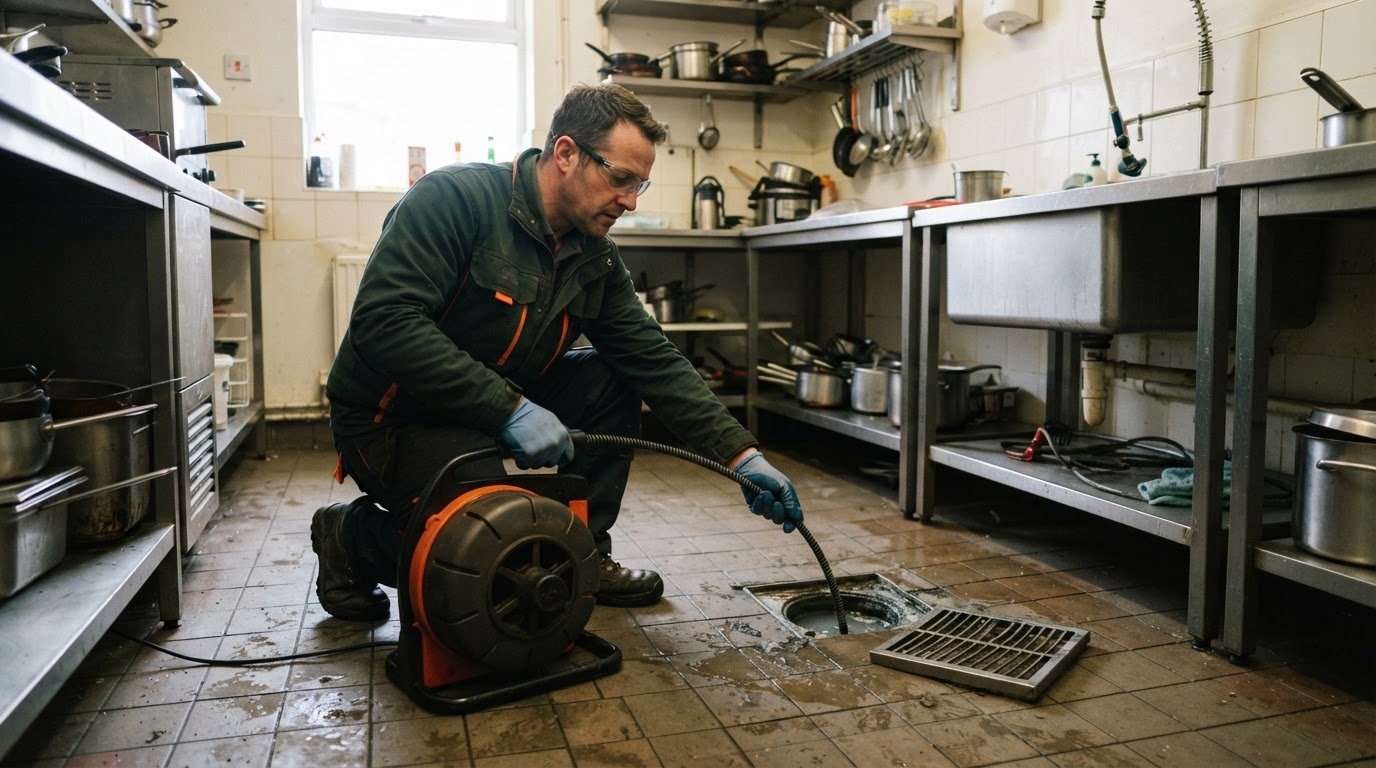
Even small amounts add up when they enter the same pipe repeatedly. Scrape plates into the food-waste or general-waste bin before washing to reduce what enters the drain. In a commercial kitchen, a grease trap intercepts fats and oils before wastewater reaches the drainage network. Its performance depends on regular maintenance suited to the kitchen’s use and layout. A full or poorly maintained trap can let grease pass downstream.
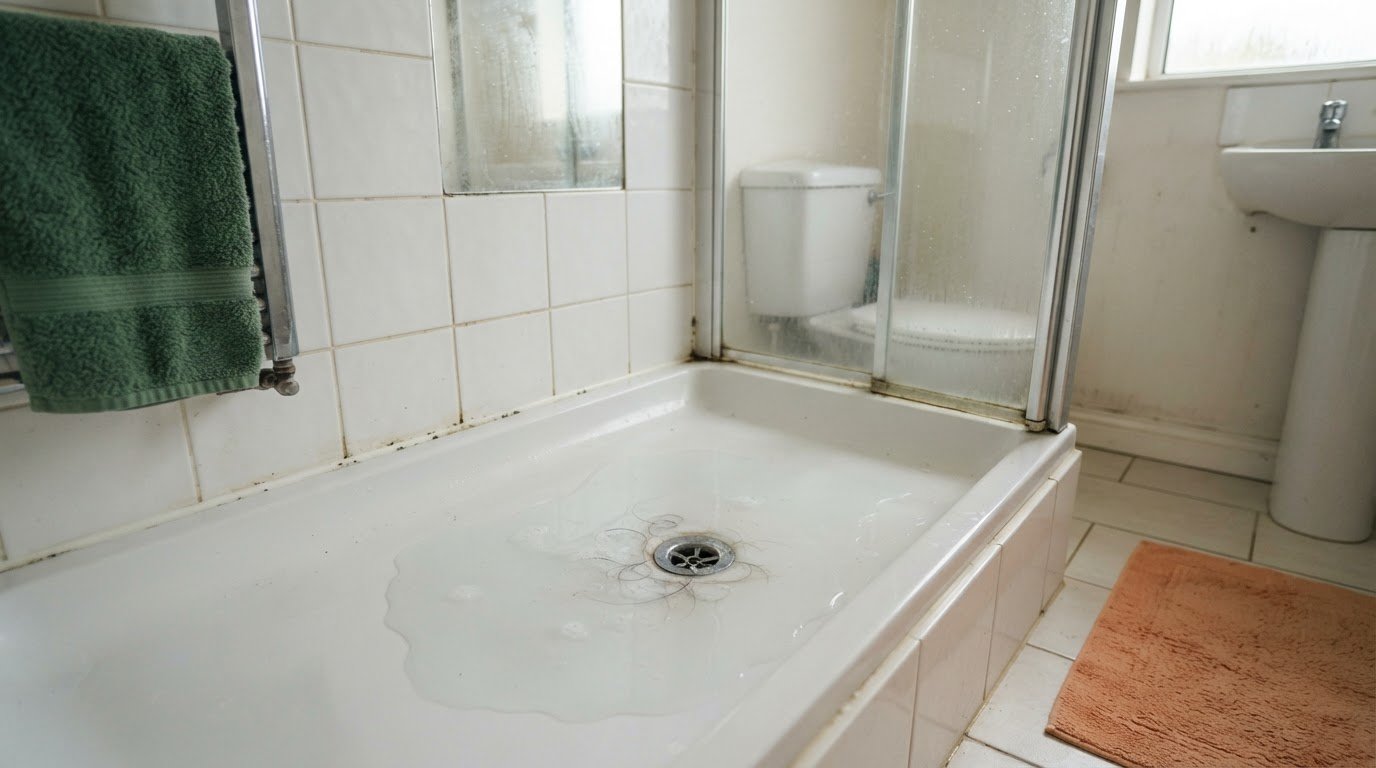
Pet hair can collect with soap residue in bathroom pipes, particularly around shower outlets. Remove hair from the plughole after washing a pet or brushing it near a basin. Sanitary products, cotton buds and kitchen roll belong in a bin, not the toilet. Unlike toilet paper, these items can remain intact in water and catch on joints or existing deposits. A resulting blockage may affect other connected fixtures, such as a toilet or bath.
Drain screens can catch hair and food scraps at sinks and showers, but they won’t stop grease or unsuitable items flushed from elsewhere in the property. Empty screens into the bin and clean them so water can pass through freely. If several fixtures drain slowly, or sewage backs up after these materials enter the system, the problem may lie beyond the visible plughole. A specialist can assess the affected pipework and remove an obstruction without adding more waste to the drain.
Using CCTV drain surveys to identify problems
A CCTV inspection shows the inside of a drain without excavating the ground. A camera travels through accessible pipework and records cracks, displaced joints, root intrusion, sediment or obstructions. The images help locate a fault and distinguish a local blockage from damage along the pipe. Regular surveys can reveal small problems before they grow. This evidence supports extending the life of your drainage system by helping identify repairs before deterioration spreads.
A survey is useful when a property has recurring blockages, slow drainage or unexplained damp patches. A clear view can show whether debris restricts flow, a connection is misaligned or a damaged section needs repair. It also helps locate the affected area, so the next step addresses the condition found. If the pipe is structurally suitable, relining may be an option; severe damage can require a different repair.
How often should drains and sewers be inspected or cleaned? Most drain systems should be inspected every 1 to 2 years, while maintenance should be carried out annually. The right inspection frequency also depends on recurring problems, the drainage layout and whether previous surveys found defects.
A survey is not the same as routine cleaning. CCTV identifies what is happening inside the pipe; cleaning removes material that restricts flow. Clearing a visible blockage may restore flow, but a camera inspection can help establish why it formed and whether a defect remains. Removing roots without addressing their entry point, for example, may leave the underlying issue in place. To extend the life of your drainage system, use survey findings to guide maintenance rather than treating each blockage in isolation.
Ask for the findings to be explained in plain language, including the fault’s location and the recommended response. A useful report links images to specific sections of the drain, helping track whether a crack or recurring obstruction changes over time. Arrange a CCTV drain inspection to investigate persistent symptoms before they develop further.
CH Enviro
CH Enviro can help investigate slow drainage, repeat blockages or standing water. A CCTV Drain Survey can identify obstructions or damage inside pipework, while a Drain Unblocking Service addresses restricted flow. Where a pipe is damaged, No-Dig Drain Repair can provide a repair option without open excavation. CH Enviro also provides Septic Tank Cleaning to support septic system maintenance.
The right next step depends on what an inspection finds and how the system is performing. Clear findings can distinguish a blockage from a damaged pipe or a septic tank issue, helping focus attention on the relevant problem. If drainage symptoms persist or return, contact CH Enviro to discuss the issue.
Make early action part of your maintenance plan
Give drainage concerns a clear next step rather than waiting for a small fault to disrupt daily use. Keeping a record of recurring symptoms and inspection findings can help you make informed decisions about the system over time. That’s a practical part of extending the life of your drainage system: respond to evidence and choose a remedy suited to the problem.
CH Enviro can investigate and address drainage issues with a CCTV Drain Survey, Drain Unblocking Service or No-Dig Drain Repair. The right service depends on whether the issue is an obstruction, a defect inside the pipe or another drainage concern. A survey can clarify what is happening before you decide on a repair.
If you’re ready to discuss a drainage problem or arrange an assessment, contact CH Enviro about your drains. A clear next step can help you move from uncertainty to a practical plan.
Frequently Asked Questions
What causes drainage systems to deteriorate in Ireland?
Drainage systems can deteriorate through ground movement, repeated loading, corrosion and defects that allow roots to enter. In Irish properties, movement around a pipe can affect its joints, while a damaged connection may let wastewater escape into the surrounding ground. Septic systems can also be affected by excessive household use or vehicles compacting the soil above a drainfield. The cause depends on the pipe material, its condition and the surrounding ground.
How can homeowners prevent blocked drains and pipe damage?
Homeowners can reduce pressure on pipes by spreading out water-heavy activities. In a septic home, avoid running laundry, showers and the dishwasher at the same time; spacing them out gives the system time to process wastewater. Keep vehicles and heavy equipment off the drainfield, as compacted soil can restrict its treatment function. Plant trees and bushes away from the field, and keep its surface covered with turf grass.
What steps are involved in a CCTV drain survey and maintenance plan?
A CCTV drain survey starts by identifying an access point and the route to inspect. A camera records the pipe’s internal condition, allowing findings to be mapped to relevant sections. The maintenance plan can then prioritise defects, recurring trouble spots and parts of the network that need routine attention. Keep survey findings with property maintenance records so later inspections can be compared with the original condition.
Comments